Outcome Sequence Clusters Influence Bankroll Thresholds in Guarantee-Driven Events
Noah Schwarz · Aug 17, 2026
Outcome Sequence Clusters Influence Bankroll Thresholds in Guarantee-Driven Events
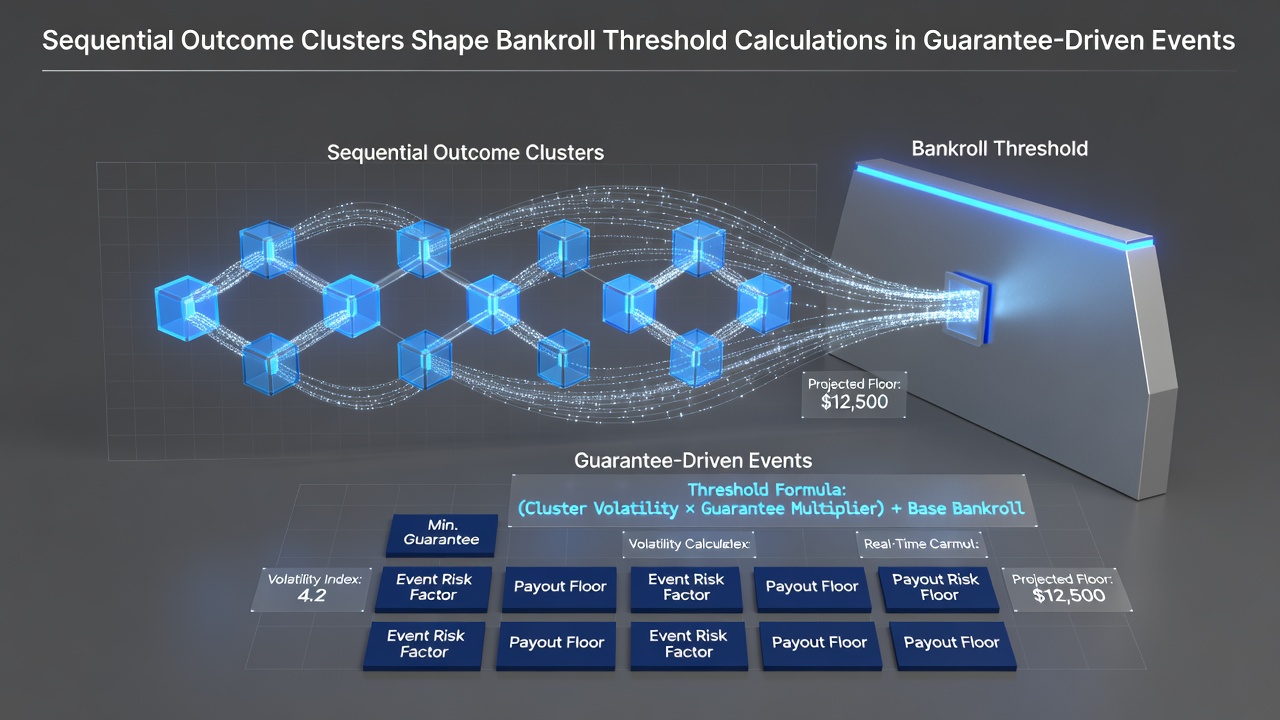
Sequential outcome clusters shape bankroll threshold calculations when players navigate guarantee-driven events because runs of wins or losses alter variance exposure in structured tournament fields, and data from multiple licensed venues shows these patterns require dynamic adjustments to minimum reserve levels rather than static formulas. Researchers at academic institutions have documented how clusters emerge from independent hand results yet produce measurable streaks that affect survival rates across multi-day schedules.
Defining Clusters in Tournament Settings
Clusters form when consecutive results group together in ways that deviate from expected distributions, and observers note this occurs frequently in daily guarantee structures where field sizes fluctuate between 200 and 800 entrants. Studies indicate that a sequence of three or more below-average finishes can push required bankroll multiples from the common 50 buy-ins up toward 75 or higher depending on guarantee size, while a matching run of cashes allows temporary reduction in those same thresholds.
Impact on Threshold Calculations
Bankroll models incorporate cluster probability through Monte Carlo simulations that replay historical outcome sequences, and figures from North American card rooms reveal that guarantee events amplify the effect because overlay or underlay conditions change payout distributions mid-series. Those who track aggregated records find that incorporating cluster length into risk-of-ruin equations produces more accurate forecasts than models relying solely on single-event standard deviation, and this holds true across both online and live formats operating under state regulatory oversight.
Regional Data Patterns
According to reports issued by the Nevada Gaming Control Board, guarantee-driven events in the southwestern United States experienced noticeable cluster-driven bankroll shifts during the 2025-2026 cycle, with average threshold recalibrations occurring every 18 sessions when sequences exceeded four consecutive results in one direction. Similar patterns appear in Canadian provincial data where daily guarantee festivals require participants to maintain reserves that account for extended losing clusters rather than isolated variance spikes.
What's interesting is that these adjustments occur automatically in many professional tracking systems because the underlying algorithms flag when recent outcomes cluster beyond preset deviation limits, and the result feeds directly into updated buy-in limits for upcoming guarantee schedules. Players who maintain detailed records across multiple venues discover that ignoring cluster effects leads to premature bankroll depletion during peak summer festival periods, whereas accounting for them preserves capital through August 2026 events that carry elevated guarantee levels.
Practical Application in Event Planning
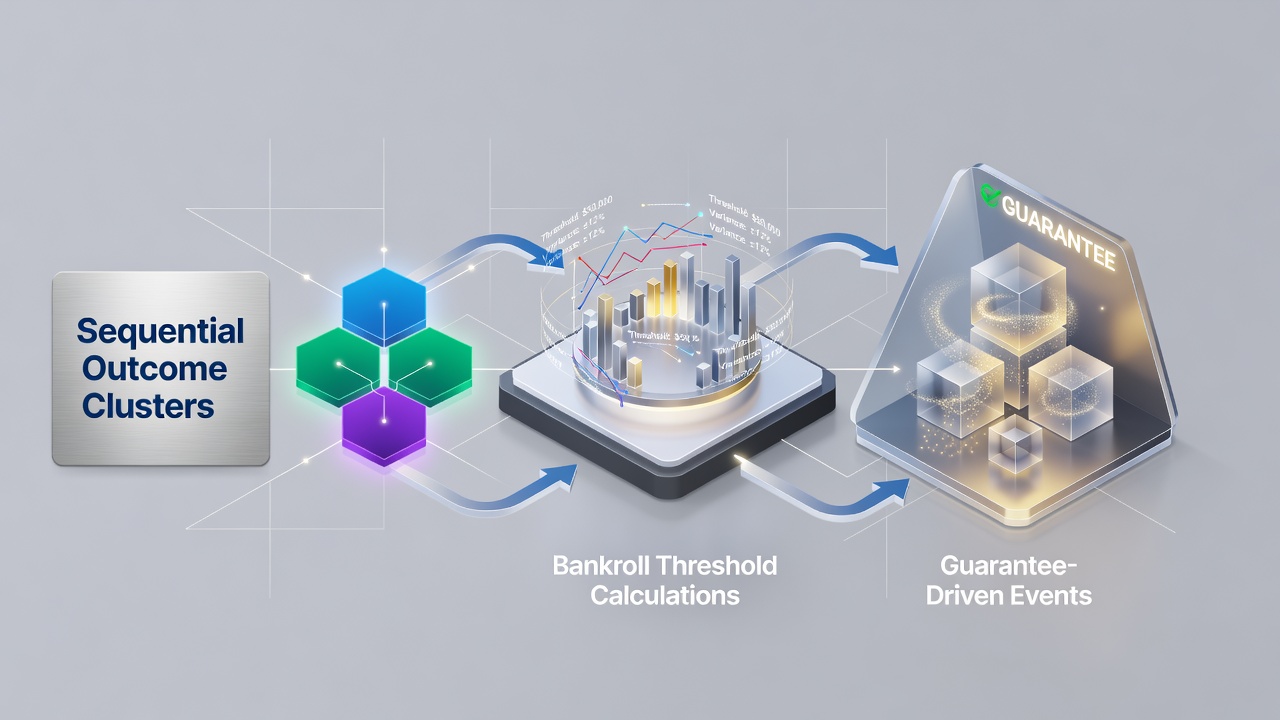
Event organizers at major properties adjust guarantee amounts based on projected field sizes, yet participants must translate those figures into personal bankroll thresholds by factoring cluster probabilities, and industry analyses from the American Gaming Association highlight that mid-series recalibrations prevent overexposure when early results form tight clusters. One documented case involved a series of 12 guarantee events where participants who recalculated thresholds after every four sessions maintained positive equity longer than those using fixed multiples throughout the schedule.
Software platforms now embed cluster detection modules that pull from aggregated hand records, and these tools output revised thresholds expressed as percentages of total reserves rather than fixed dollar amounts. Observers note the approach aligns with findings from university-led research on sequential gambling outcomes, where cluster-aware models outperformed traditional independent-trial assumptions by measurable margins in simulated guarantee environments.
Integration with Broader Variance Management
Sequential clusters interact with other variance factors such as field composition changes and payout structure modifications, and data shows that combined effects can shift required reserves by as much as 30 percent within a single month of guarantee-heavy scheduling. Those managing bankrolls across borders incorporate regulatory differences because certain jurisdictions mandate minimum reserve disclosures that indirectly influence how cluster data gets applied to threshold setting.
Turns out the most effective systems blend real-time cluster monitoring with forward-looking guarantee calendars, allowing participants to scale participation levels without violating established risk parameters. Figures from Australian state gaming reports confirm similar dynamics operate in international markets where guarantee events follow comparable structural patterns.
Conclusion
Sequential outcome clusters continue to drive refinements in bankroll threshold calculations for guarantee-driven events as tracking methods improve and data sets expand. Venues and participants alike rely on these insights to maintain sustainable participation levels, and ongoing analysis from regulatory and academic sources supports the continued integration of cluster-aware modeling into standard bankroll practices across licensed operations.