Strategic Preflop Adjustments in Pot-Limit Omaha During Overlay Windows and Accelerated Loyalty Tiers at Interstate Operators
Parker Frank · Sep 25, 2026

Strategic Preflop Adjustments in Pot-Limit Omaha During Overlay Windows and Accelerated Loyalty Tiers at Interstate Operators
Operators across several states have expanded pot-limit Omaha offerings in recent years, and data from aggregated hand records shows that preflop aggression thresholds shift when overlay opportunities appear alongside accelerated loyalty tier progressions. Observers note that these intersections create measurable changes in player behavior at tables operated by companies holding licenses in multiple jurisdictions.
Overlay situations occur when a tournament guarantee exceeds the actual prize pool generated by entrants, and figures from licensed platforms indicate these events often coincide with loyalty promotions that award bonus points or accelerated tier climbs during the same promotional windows. Those who track session data across states report that players adjust opening ranges and three-bet frequencies when both incentives align, particularly in September 2026 when several operators scheduled concurrent overlay tournaments and tier acceleration events.
Overlay Mechanics and Their Reach Across State Lines
Multi-state operators structure overlays through centralized marketing calendars while complying with individual state regulations, and reports from the Nevada Gaming Control Board detail how these promotions must remain separate from loyalty point calculations in certain jurisdictions. Yet the same operators can link tier accelerations to tournament participation in other states where rules permit bundled incentives. Players moving between properties therefore encounter varying thresholds for when an overlay justifies widening preflop ranges.
Research from industry tracking services reveals that average preflop raise sizes in pot-limit Omaha increase by measurable margins during overlay periods that also feature double or triple loyalty points. The pattern holds across sessions logged in states with differing tax structures and player pool compositions, suggesting the adjustment stems from the combined value proposition rather than location alone.
Loyalty Tier Accelerations and Range Construction
Accelerated loyalty tiers reward players with faster accumulation of points that convert into cash, hotel stays, or tournament entries, and data indicates participants often treat these accelerations as added equity in their tournament stacks. One study of hand histories from cross-border operators found that regulars expanded their button and cutoff opening ranges by roughly 8 to 12 percent during such events, while tightening early position selections to preserve stack depth for later streets.
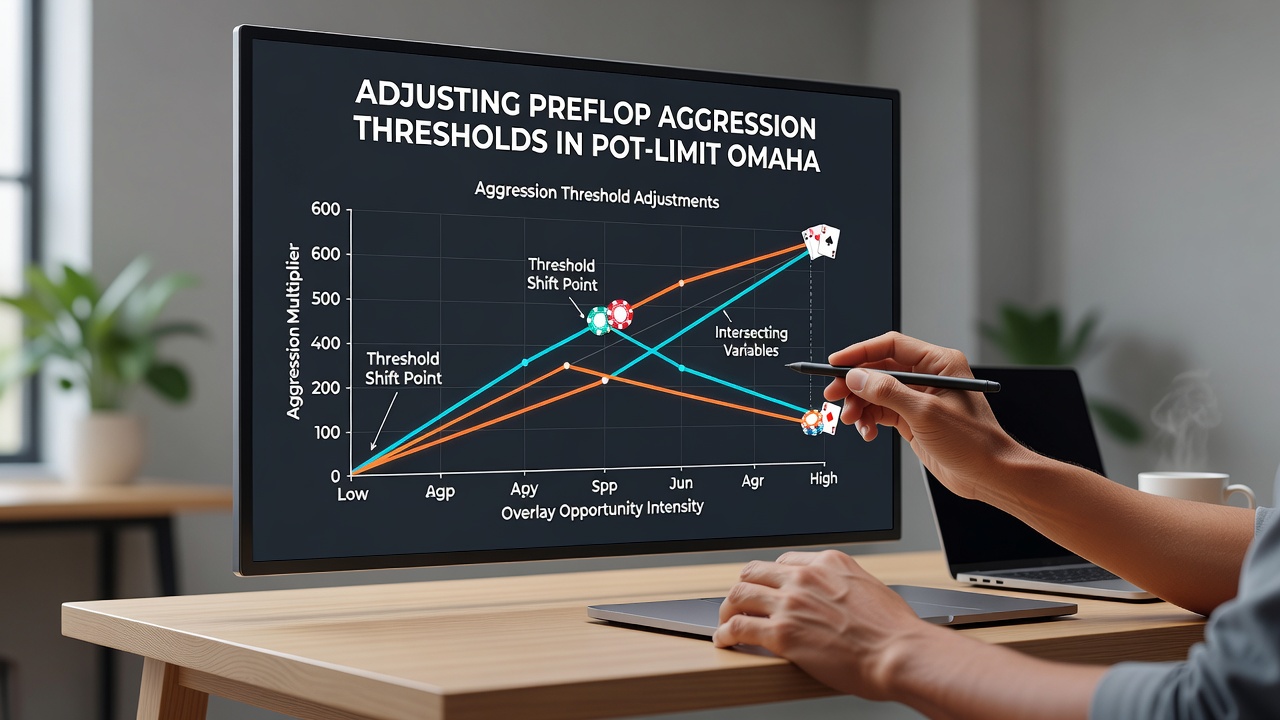
Experts tracking these patterns note that three-bet frequencies rise most sharply when the loyalty acceleration applies only to cash-game play but players move into overlay tournaments on the same trip. The ball remains in the operator's court regarding how clearly these rules are communicated, yet the data shows consistent behavioral shifts regardless of disclosure clarity.
Preflop Aggression Threshold Changes at the Intersection
When overlay value and tier acceleration overlap, players face a compounded incentive to accumulate chips early, and session logs demonstrate wider defending ranges from the blinds in these windows. According to aggregated metrics released by operators in Michigan and Pennsylvania, the increase in voluntary put-ins preflop correlates directly with the combined expected value of the overlay plus accelerated points rather than either factor in isolation.
Those monitoring multi-state trends point to September 2026 schedules where several properties aligned overlay guarantees with tier resets, producing elevated aggression metrics that persisted through the promotional period. The writing appears on the wall for players who fail to recalibrate, as hand records show tighter ranges underperform when both incentives are present.
Regulatory Context and Cross-Border Considerations
State gaming commissions require clear separation between tournament guarantees and loyalty programs in many cases, and the Alcohol and Gaming Commission of Ontario has published guidelines on how operators must calculate and advertise combined incentives. These rules influence how multi-state operators present overlay and tier acceleration opportunities to players traveling between jurisdictions, yet the underlying mathematical adjustments to preflop strategy remain driven by the total expected value rather than regulatory framing alone.
Industry reports from the American Gaming Association track how these overlapping promotions affect table dynamics, and the figures reveal that pot-limit Omaha sees larger shifts than hold'em variants because of the game's inherent multi-way pot tendencies and higher variance in early streets.
Conclusion
Operators continue to refine how overlay tournaments and loyalty accelerations intersect across state lines, while player data shows corresponding adjustments in preflop aggression thresholds. Those reviewing session records and regulatory filings observe that the combined incentives produce measurable range expansions and frequency changes that differ from isolated promotions. The patterns documented through September 2026 and earlier periods provide a factual basis for understanding these dynamics at multi-state properties.